
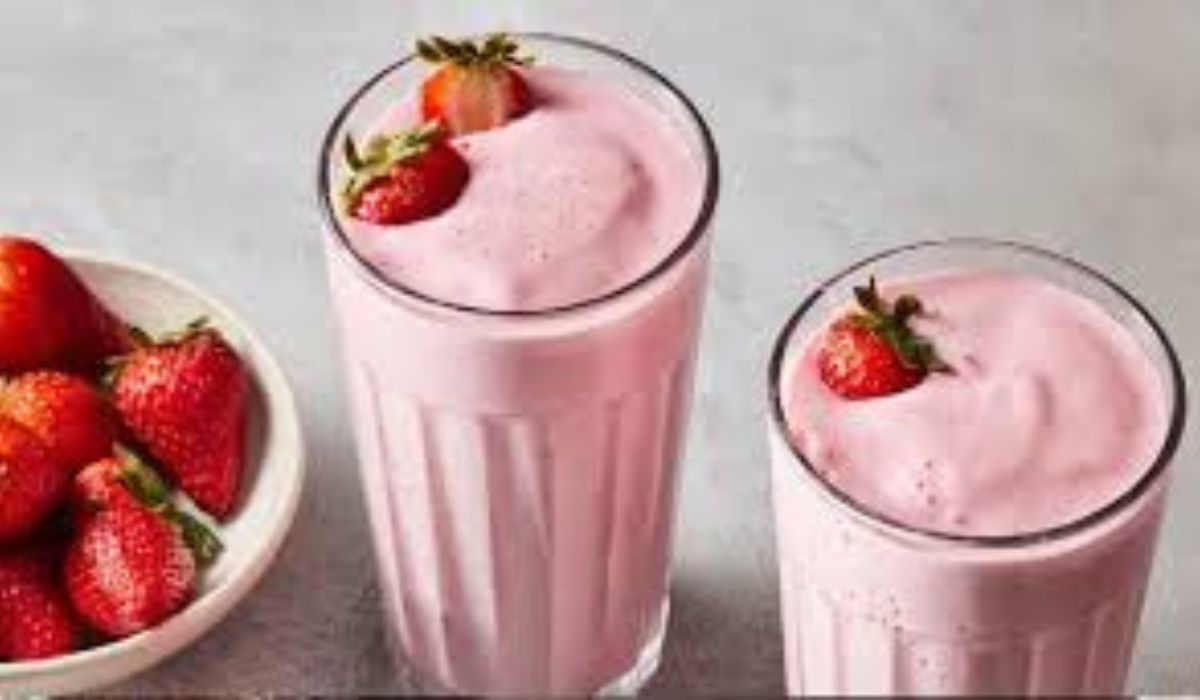
Smoothiepussit are smoothie pouches designed for storage, travel, and portion control They can hold blended drinks, frozen smoothie ingredients, yogurt, purée, or baby food This guide explains their uses, materials, safety, and buying tips in a practical way.
Quick Bio
| Feature | Details |
|---|---|
| Core Definition | Smoothiepussit refers to smoothie bags or pouches used for carrying, freezing, storing, or serving smoothies. |
| Origin | The term blends smoothie with pussit, a Finnish-style plural meaning bags or pouches. |
| Primary Use | Used for meal prep, kids’ snacks, travel drinks, freezer smoothie packs, and portable nutrition. |
| Industry | Food packaging, baby food, fitness nutrition, reusable kitchen products, and beverage storage. |
| Common Materials | Food-grade silicone, BPA-free plastic, laminated pouch film, recyclable mono-materials, and spouted packaging. |
| Popular Applications | Reusable smoothie pouches, baby purée pouches, frozen fruit packs, lunchbox snacks, and commercial smoothie packaging. |
Meaning and Everyday Purpose of Smoothiepussit
Carrying your drink just got simpler thanks to these compact containers shaped for real life. Not every version comes pre-filled – a few wait quietly for fresh fruit, leafy greens, thick yogurt, tiny seeds, or homemade blends. Instead of juggling jars or slicing each morning, you tuck ingredients inside ahead of time. One holds a complete shake, cool and sipped through a straw. Others sit empty until you’re ready to mix things up later.
One reason stands out above others – managing how much you eat without hassle. Each little pack fits neatly into your meal sack, designed just right for a single go. Slipping it inside doesn’t mean hauling extra trash later, if picked with care.
Origin and Language Connection
The word has a Nordic feel because pussit is commonly understood as bags or pouches in Finnish-style usage. When paired with smoothie, it describes a bag-based smoothie format.
This makes Smoothiepussit useful as a keyword because it connects food, storage, travel, and packaging in one term. It is not limited to one product type; it can describe homemade packs, reusable pouches, or commercial drink packaging.
Main Uses in Daily Life
People use Smoothiepussit for packed lunches, school snacks, gym bags, road trips, office refrigerators, and baby feeding routines. They work especially well when a bottle feels too large or a cup is not practical.
For adults, a pouch may hold a pre-blended protein smoothie. For children, it may carry yogurt, fruit purée, or a mild smoothie with banana, berries, and oats.
Materials Used in Smoothie Pouches
Most reusable smoothie pouches are made from food-grade silicone or BPA-free plastic. Silicone is flexible, soft, and often easier to clean, while plastic pouches are lighter and may cost less.
Commercial pouch packaging may use layered films to protect freshness, texture, and flavor. More brands are also testing recyclable pouch structures because traditional multi-layer packaging can be harder to recycle.
Reusable and Disposable Options
Reusable Smoothiepussit are best for families, meal preppers, and anyone who wants to reduce packaging waste. They can be washed, dried, refilled, and used many times when handled properly.
Disposable pouches are more common in retail drinks, baby food aisles, and travel snacks. They are convenient, but the long-term cost and waste are usually higher than refillable options.
Homemade Smoothie Prep with Smoothiepussit
A smart way to use Smoothiepussit is to create freezer smoothie packs. Add fruit, leafy greens, seeds, and dry ingredients to the pouch, then freeze it flat.
Leave a little empty space at the top because frozen fruit expands slightly. When ready, pour the contents into a blender with milk, water, coconut water, or yogurt.
Practical Portion Sizes
For toddlers, 100–150 ml is often enough for a snack-style pouch. Older children may prefer 150–250 ml, while adults usually need 300–500 ml depending on the recipe.
A good pouch should match the user’s appetite. Oversized pouches can lead to waste, while very small ones may not feel satisfying for school, work, or travel.
Commercial Smoothie Packaging
In the beverage industry, smoothies may be packed in spouted pouches, cartons, bottles, or bag-in-box systems. Pouches are popular because they are light, portable, and easy to squeeze.
For cafés and food-service businesses, larger packaging formats can support frozen drinks, dispensers, and bulk storage. For retail shelves, design, cap safety, and freshness protection matter just as much as flavor.
Design Features That Matter
Good Smoothiepussit should be leak-resistant, easy to open, easy to fill, and simple to clean. A wide mouth helps with filling thicker blends, while a secure cap prevents spills in bags.
Transparent or semi-transparent panels are useful because you can see the contents. Measurement marks are also helpful for parents, athletes, and anyone tracking ingredients.
Safety and Hygiene Tips
Always check whether the pouch is freezer-safe, dishwasher-safe, or suitable for warm contents before using it that way. Not every pouch is designed for heat, sterilization, or thick purées.
Rinse the pouch soon after use, especially after dairy-based smoothies. A bottle brush or narrow cleaning brush can help clean corners, seams, and spouts.
Buying Guide for Better Smoothiepussit
When buying Smoothiepussit, look for food-safe materials, strong seals, sturdy caps, and clear cleaning instructions. A pouch that looks attractive but traps residue inside is not a good long-term choice.
For kids, choose soft edges and caps that are easy for adults to secure. For fitness use, choose larger sizes and stronger closures that can handle thicker recipes with protein powder or nut butter.
Sustainability and Cost Savings
Reusable Smoothiepussit can reduce the number of single-use snack packs used during the week. They may also help families save money by preparing smoothies at home instead of buying ready-made pouches.
The best sustainability choice is the pouch you will actually clean and reuse. A durable design with replaceable caps and simple washing steps usually performs better over time.
Common Mistakes to Avoid
One common mistake is overfilling the pouch before freezing. This can strain the seal and make the pouch harder to close.
Another mistake is storing strong-smelling ingredients for too long. Ginger, garlic, or certain green powders can leave odors, so rinse quickly and dry fully before storage.
Future Trends in Smoothie Pouches
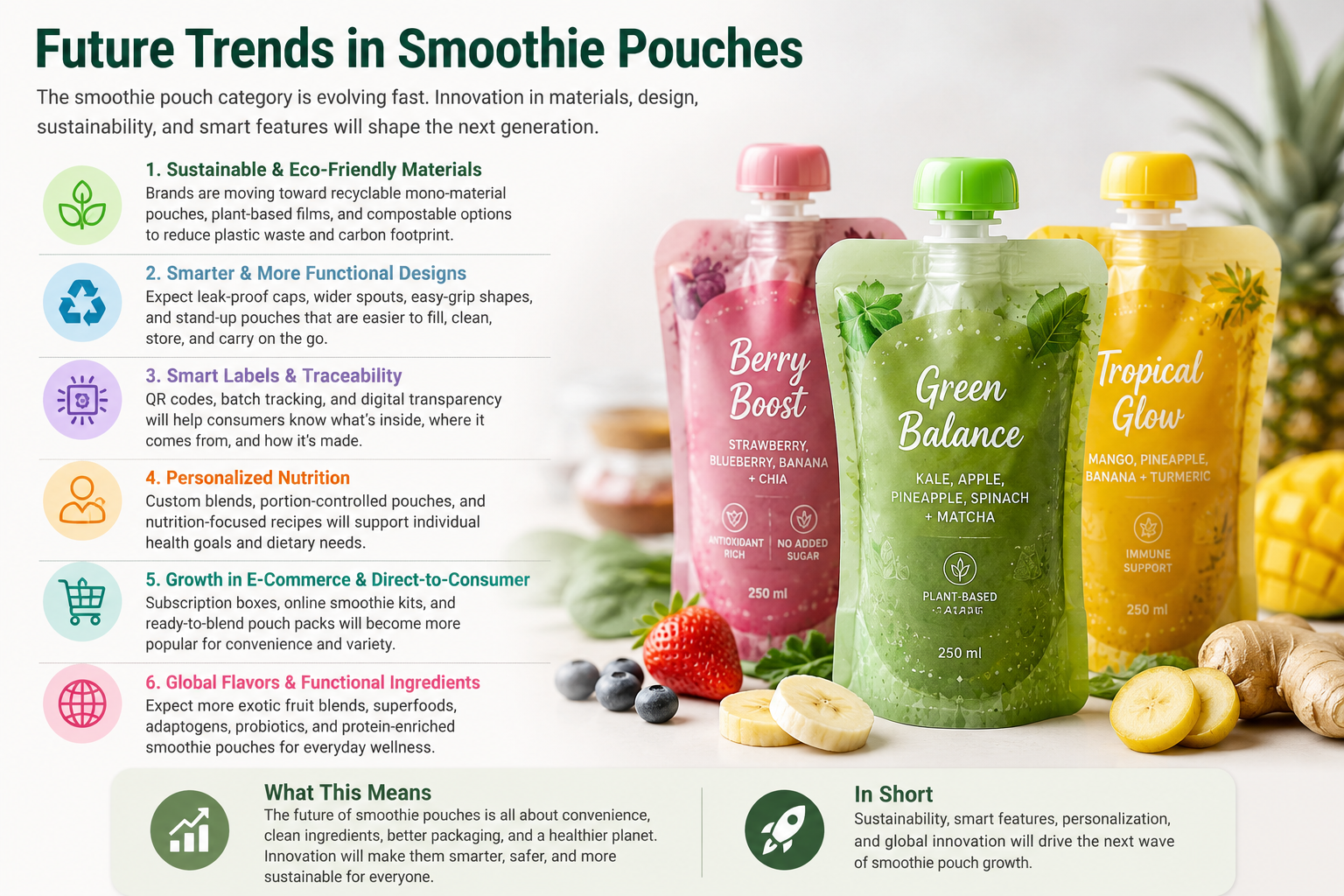
One thing might be clear – Smoothiepussit could lean into simpler ingredients, easier recycling, lids that work harder, and forms that fit freezers without fuss. Designs shifting quietly? Pouches now shape up differently, built around life with little kids, long runs, tight schedules, or far trips.
One thing stands out – measurement markings now show up on more containers. Dishwasher safety becomes standard instead of rare. Leak resistance improves, step by step. Convenience shapes choices, yet cleanliness still matters. Less mess means less trash piling up. Progress leans practical, never losing sight of what keeps things clean.
Conclusion
Smoothiepussit are a useful solution for anyone who wants smoothies to be easier, cleaner, and more portable. They support meal prep, freezer storage, kids’ snacks, baby food, fitness routines, and commercial drink packaging The best choice depends on your main use. Pick reusable silicone or BPA-free pouches for home routines, stronger spouted pouches for travel, and commercial-grade packaging for retail or food-service needs. Choose safe materials, clean them properly, and use the right size for each serving.
FAQs
1. What are Smoothiepussit used for?
Smoothiepussit are used for storing, freezing, carrying, or serving smoothies and similar soft foods. They can hold blended smoothies, fruit purées, yogurt, baby food, or pre-portioned frozen smoothie ingredients.
2. Are Smoothiepussit reusable?
Some are reusable, while others are disposable. Reusable versions are usually made from silicone or BPA-free plastic and can be washed and refilled. Always check the product label for dishwasher, freezer, and heat-safety instructions.
3. Can Smoothiepussit be used for baby food?
Yes, many smoothie pouches are suitable for baby food when they are made from food-safe materials and have child-friendly caps. Parents should choose easy-clean designs and avoid pouches with damaged seals, cracks, or hard-to-clean corners.
4. Can I freeze Smoothiepussit?
Freezer-safe pouches can be frozen, but they should not be filled completely. Leave a small amount of space at the top so ingredients can expand. Freezing flat also saves space and makes the pouch easier to store.
5. Which materials are best for Smoothiepussit?
Food-grade silicone is a strong choice for reusable home use because it is flexible and durable. BPA-free plastic is lightweight and affordable. For commercial packaging, spouted laminated pouches or recyclable pouch films may be used depending on shelf-life and product needs.
