
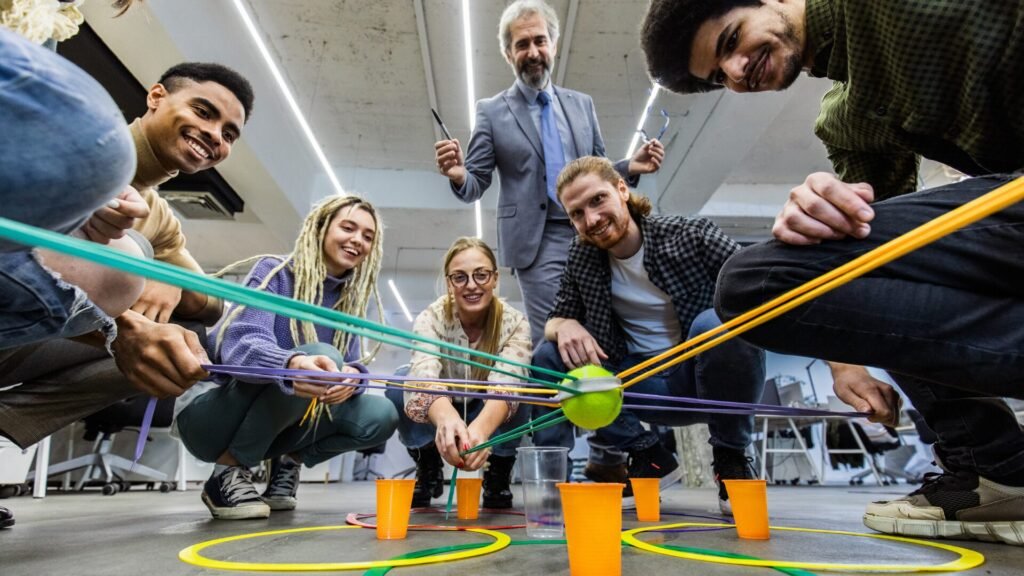
Team building activities have evolved far beyond the awkward icebreakers of the past. Today, they represent a strategic investment in organizational culture. When done correctly, these exercises can dissolve barriers, spark innovation, and create a sense of psychological safety that allows every member to contribute their best work. In this comprehensive guide, we will explore the philosophy of team development and provide practical, engaging activities that can transform your workplace into a powerhouse of collaboration.
The Science Behind Why Teams Bond
Before we dive into the specific activities, it is essential to understand why these moments of connection are so vital. Human beings are inherently social creatures. Our brains are hardwired for collaboration, yet the pressures of modern work environments can often lead to isolation or siloed thinking. When employees feel like they are part of a community rather than just a cog in a corporate wheel, their engagement levels skyrocket.
Research consistently shows that teams with high levels of social cohesion are more resilient in the face of challenges. They communicate more effectively, resolve conflicts faster, and are more willing to share “out of the box” ideas without fear of judgment. Team building serves as the bridge between individual talent and collective success. It creates a shared language and a foundation of trust that carries over into everyday tasks.
Icebreakers that Actually Work
The first step in any team building journey is breaking the initial tension. Traditional icebreakers often get a bad reputation because they can feel forced or childish. The key is to choose activities that encourage genuine sharing without making anyone feel uncomfortable.
The “Two Truths and a Lie” Variation Instead of the standard version, try a professional spin. Ask team members to share two true professional accomplishments and one believable “lie” about a project they once worked on. This not only helps people get to know each other’s career backgrounds but also adds an element of fun and mystery to the conversation.
The “Question of the Day” Ritual For teams that work in a hybrid or remote setting, a simple ritual can go a long way. Start your weekly meeting with a low pressure question. Instead of “How was your weekend?”, try “What is one thing you learned this week that has nothing to do with work?” or “If you could have any expert in the world guest lecture at our next meeting, who would it be?” These questions spark curiosity and allow for small windows into each person’s personality.
High Energy Outdoor Challenges
If you have the opportunity to take your team out of the office, physical activities can be incredibly effective for building trust. Moving the body and changing the scenery can help shift perspectives and break old patterns of interaction.
The Scavenger Hunt Reimagined A well organized scavenger hunt is a classic for a reason. It requires delegation, time management, and creative problem solving. To make it more professional, design the clues around your city’s history or your company’s core values. Assign roles within each group, such as a navigator, a timekeeper, and a documentarian, to mirror the structure of a real world project.
Low Stakes Sports and Recreation Activities like a friendly game of kickball or a group hiking trip remove the hierarchy of the office. When the CEO and an intern are on the same team trying to reach the top of a trail or score a run, the traditional barriers of authority begin to fade. This builds a sense of equality and mutual respect that is hard to replicate in a boardroom.
Collaborative Problem Solving Exercises
Some of the most effective team building happens when the group has to solve a puzzle together. These activities highlight different cognitive styles and show the value of diverse thinking.
The Escape Room Experience Escape rooms have become a global phenomenon for a reason. They are the ultimate pressure cooker for team dynamics. Within sixty minutes, a team must communicate clearly, identify each other’s strengths, and work under a deadline. Observe who takes the lead, who focuses on the details, and how the group handles frustration when they hit a dead end. The debriefing session after an escape room is often more valuable than the game itself, as it allows the team to reflect on their communication patterns.
The “Marshmallow Challenge” This is a famous exercise where teams are given twenty sticks of spaghetti, one yard of tape, one yard of string, and one marshmallow. The goal is to build the tallest freestanding structure that can support the marshmallow on top. It sounds simple, but it teaches a profound lesson about prototyping and the danger of “the big plan” that fails at the last second. It encourages teams to experiment, fail fast, and iterate, which is exactly how modern agile teams should operate.
Remote and Hybrid Team Building
In the modern era, many teams never meet in person. Building culture across time zones and screens requires a different set of tools. Virtual team building must be intentional, as “water cooler” moments do not happen organically in a digital space.
Virtual Coffee Roulettes Use a tool to randomly pair team members for a fifteen minute video call each week. The only rule is that they cannot talk about work. This replicates the spontaneous office encounters that build the social fabric of a company. It ensures that people in different departments actually get to know one another.
Online Collaborative Gaming Platforms that offer collaborative games can be surprisingly effective. Whether it is a virtual trivia night or a complex online strategy game, these activities allow for lighthearted competition and shared laughter. Laughter is one of the fastest ways to build a bond between people who have never met in person.
The Role of Emotional Intelligence and Soft Skills
Deep team building goes beyond just having fun. It involves developing the emotional intelligence of the group. Activities that focus on empathy and active listening can have a transformative effect on the workplace.
The “Strengths Finder” Workshop Instead of focusing on weaknesses, have everyone take a strengths assessment and share their top five results. Discuss how these strengths can be utilized in upcoming projects. This shifts the team’s focus toward appreciation. When you know a teammate is exceptionally good at “strategic thinking” but struggles with “attention to detail,” you can pair them with someone who excels in that area without any resentment.
Active Listening Circles In this exercise, one person speaks for two minutes about a challenge they are facing, and the other person can only listen without interrupting. Then, the listener must summarize what they heard to the speaker’s satisfaction. This simple practice highlights how often we listen only to respond, rather than listening to understand. It is a powerful way to improve day to day communication.
Creating a Culture of Continuous Appreciation
Team building should not be a once a year event. It should be woven into the daily life of the organization. A culture of appreciation is the most sustainable form of team building.
The “Kudos” Board Whether it is a physical board in the office or a dedicated channel in your messaging app, creating a space for peer to peer recognition is vital. Encourage team members to shout out the small wins and the quiet acts of help that often go unnoticed. This creates a positive feedback loop where everyone feels valued.
Skill Sharing Sessions Once a month, allow a team member to teach the rest of the group a skill they are passionate about. It could be anything from “How to use Excel shortcuts” to “The basics of sourdough baking.” This positions every team member as an expert in something and fosters a culture of lifelong learning and mutual interest.
Measuring the Success of Your Efforts
How do you know if your team building activities are actually working? While the “vibe” of the office is a good indicator, you can also look at more concrete metrics.
-
Employee Retention: Are people staying longer because they feel connected to their colleagues?
-
Project Turnaround Time: Has communication improved to the point where work is getting done more efficiently?
-
Conflict Resolution: Are disagreements being handled professionally and quickly, or are they lingering?
-
Participation Rates: Are people genuinely excited to join these activities, or do they see them as a chore?
If you notice that participation is low, it might be time to ask for feedback. Team building should be “for” the team, which means they should have a say in what those activities look like.
Common Pitfalls to Avoid
Even with the best intentions, team building can sometimes go wrong. To ensure your efforts are successful, avoid these common mistakes:
-
Mandatory Fun that Isn’t Fun: If people feel forced to participate in activities that are embarrassing or physically taxing, it will have the opposite effect. Always offer an “opt out” or choose inclusive activities.
-
Lack of Follow Through: If you have a great workshop about communication but the leadership style never changes, the team will see the activity as a hollow gesture.
-
Ignoring Diversity: Ensure your activities are accessible to everyone, regardless of their physical abilities, cultural background, or personality type. An introverted team might prefer a quiet book club over a loud karaoke night.
-
The “One and Done” Mentality: You cannot fix a toxic culture with a single day of laser tag. Team building must be part of a larger, ongoing strategy of respect and support.
The Future of Workplace Collaboration
As we look toward the future, the boundaries of the traditional office will continue to blur. Team building will become even more focused on building “human” connections in an increasingly automated world. The teams that succeed will be the ones that prioritize empathy, flexibility, and a genuine sense of belonging.
By investing in the relationships between your employees, you are building a foundation that can withstand any market shift or organizational change. A strong team is more than just a collection of talent; it is a community of people who believe in a shared vision and, more importantly, believe in each other.
Conclusion
In summary, team building activities are the secret sauce of high performing organizations. They are the moments where the “gears” of the machine learn to work together without friction. Whether it is through a simple virtual coffee, a challenging escape room, or a culture of daily appreciation, the goal is always the same: to make people feel seen, heard, and valued.
When people feel connected, they don’t just show up for a paycheck; they show up for their teammates. They go the extra mile because they care about the collective outcome. This sense of unity is the greatest competitive advantage any business can have. Start small, be consistent, and watch as your team transforms into a more resilient, innovative, and happy group of professionals. The journey of a thousand miles begins with a single, well chosen icebreaker.
